
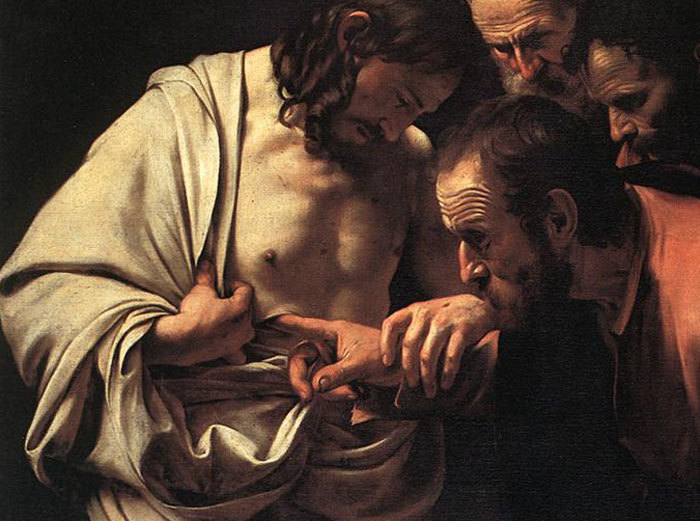
The Sacrifice of Jesus and the Prodigal Son
So, a couple of days ago I laid out my argument as to why the idea that God demanded the blood sacrifice of his son for the forgiveness of sins is an error. (If you missed it, you should go read that post before continuing with this one: Did God Really Demand the Death of His Son for the Forgiveness of Sin?) Today I further elaborate my explanation/argument for a better understanding of what happened and why.
The writings of the New Testament draw a very clear line from the animal sacrifices used to atone for sins practiced by the Jews and the death of Jesus on the cross. For example, Ephesians 1:7 says that we have “redemption by his blood”. Revelation 7:11 says of the saints “they have washed their robes and made them white in the blood of the Lamb.” However, in a rather complicated passage from Hebrews explaining why the death of Jesus was more perfect and more complete than the sacrifices which were offered by the priests in the temple for the forgiveness of sins, Paul refers back to Psalm 40 which makes the reality of sacrifice clear: “Sacrifice and offering you do not want; but ears open to obedience you gave me. Holocausts and sin-offerings you do not require; so I said, ‘Here I am . . . To do your will is my delight.’” And at the risk of offending my Catholic friends who hold the doctrine of transubstantiation*, Jesus further distances the will of God from the desire for blood by declaring that the wine and bread of the Passover and communion meals were metaphorically his blood and body. Since none of the disciples commented on the strange, metallic taste of the drink he gave them or the sweet, porky taste of the bread, I think we can assume that the wine and bread remained wine and bread and the need for actual blood is done. Again, the need for the human ritual portion of the relationship between God and man was complete and the God-given portion now emerges cleaner and clearer than before. Continue reading “The Sacrifice of Jesus and the Prodigal Son”

 A few years ago, I was writing an obituary for a friend’s father who had passed away suddenly. As many of you may have noticed, I do alright with the writing part of things most of the time, but I’m not quite so skilled as an editor*. So, you shouldn’t be too surprised at the fact that I accidentally put the word “believed” where “beloved” was supposed to go. So the first line read: “Mr. Bob Kennedy, believed father of Teddy and Linda Kennedy. . .” Suddenly it seemed like not such a bad thing that Mr. Kennedy’s ex-wife hadn’t shown up to help her children handle the arrangements.
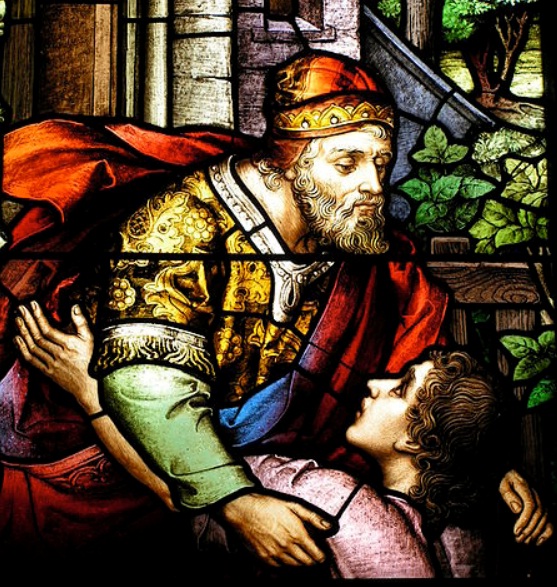
  Could you forgive the way that the father of the prodigal son forgives? Would you want to?

 The Upside Down World